HOW YOU CAN HELP CONSERVE
LAKE WHITEHALL
Lake Whitehall is a vital resource for wildlife, recreation, and natural beauty. Protecting its water quality and surrounding habitat is essential to preserving this special place for future generations.
Here are a few ways you can help:
Lakes are Fragile
- Lakes are especially sensitive to nutrient loading, sedimentation, and loss of natural vegetation.
- A healthy buffer zone helps filter pollutants, stabilize soil, and support diverse wildlife.
- If you plan any work near a lake, contact your local Planning or Conservation Commission — you will need to comply with State and local environmental regulations.
Leave Shorelines Natural
- Fallen trees and natural debris provide habitat for fish and wildlife, stabilize the shoreline, and reduce erosion. Leave downed trees where they fall if they do not pose a hazard.
Do not clear or cut brush along the shoreline, as this can destabilize the soil and lead to erosion.
Manage Property Responsibly
- Keep your septic system pumped and maintained to prevent harmful runoff.
- Use eco-friendly detergents and cleaners to reduce the impact of household waste on the watershed.
- Minimize lawn size and control stormwater runoff. Consider planting native ground cover, shrubs, or trees instead of grass.
- Use organic fertilizers and methods to reduce excess nitrogen and phosphorus, which can lead to harmful algal blooms.
- Avoid using pesticides near the water, as they can poison aquatic life and disrupt the lake’s natural balance.
Protect the Buffer Zone
- Regulations establish a 100-foot buffer zone from wetlands at the lake shore to help prevent pollution, control erosion, and protect critical wildlife habitat.
- Avoid disturbing natural vegetation within this zone, as it helps filter runoff and stabilize the shoreline.
- Never place lawn clippings, brush, or other organic debris within this buffer area, as it can disrupt natural nutrient cycles and harm the lake’s ecosystem.
Avoid and Remove Invasive Species
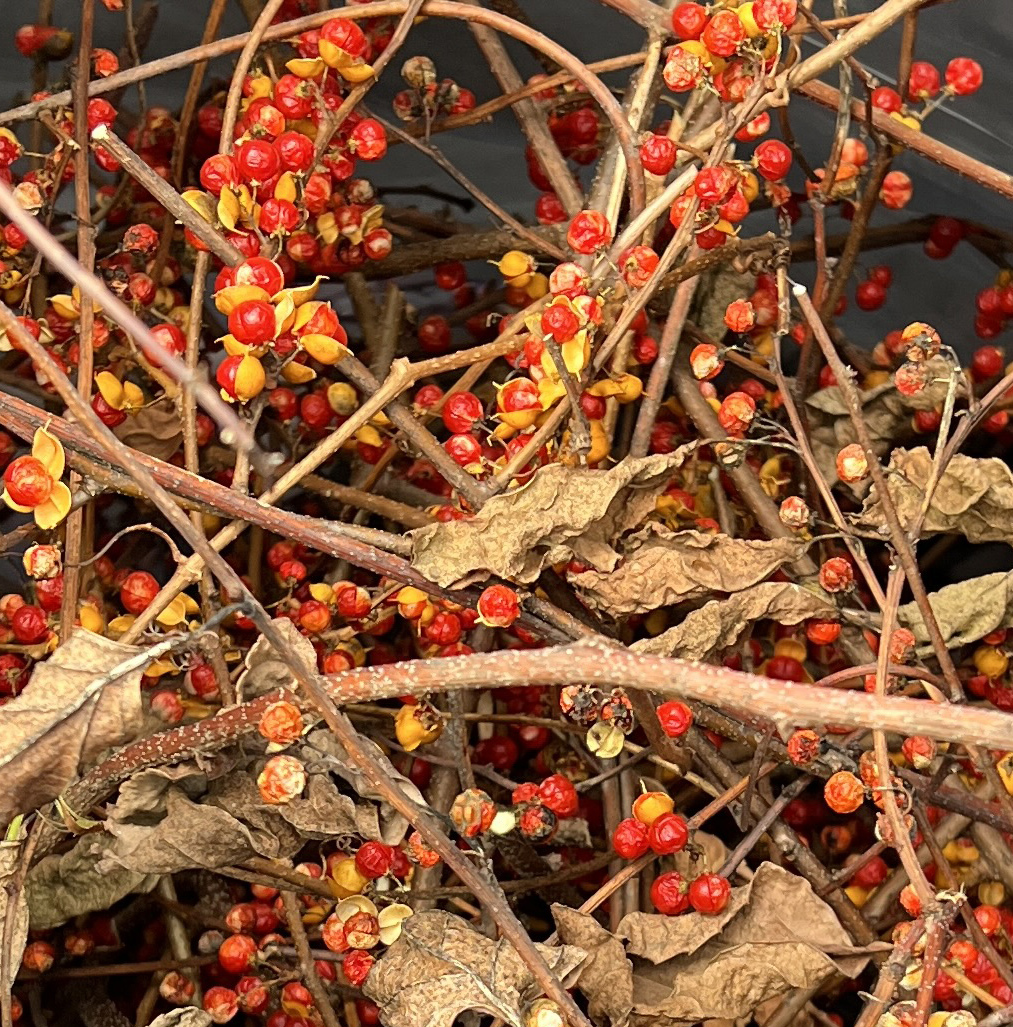
- Do not plant invasive species like Japanese Barberry, Bittersweet, Honeysuckle, Purple Loosestrife, or common reed (Phragmites), as these can outcompete native plants and degrade wildlife habitats.
- Consider removing invasives if you find them on your property and replacing them with native species. Avoid the use of herbicides.
Prevent Water Pollution
- Avoid pollution from gas, oil, and hazardous materials.
- Keep boats, ATVs, and other vehicles well-maintained to prevent leaks.
- Never dump waste or hazardous substances near the lake or within the watershed.